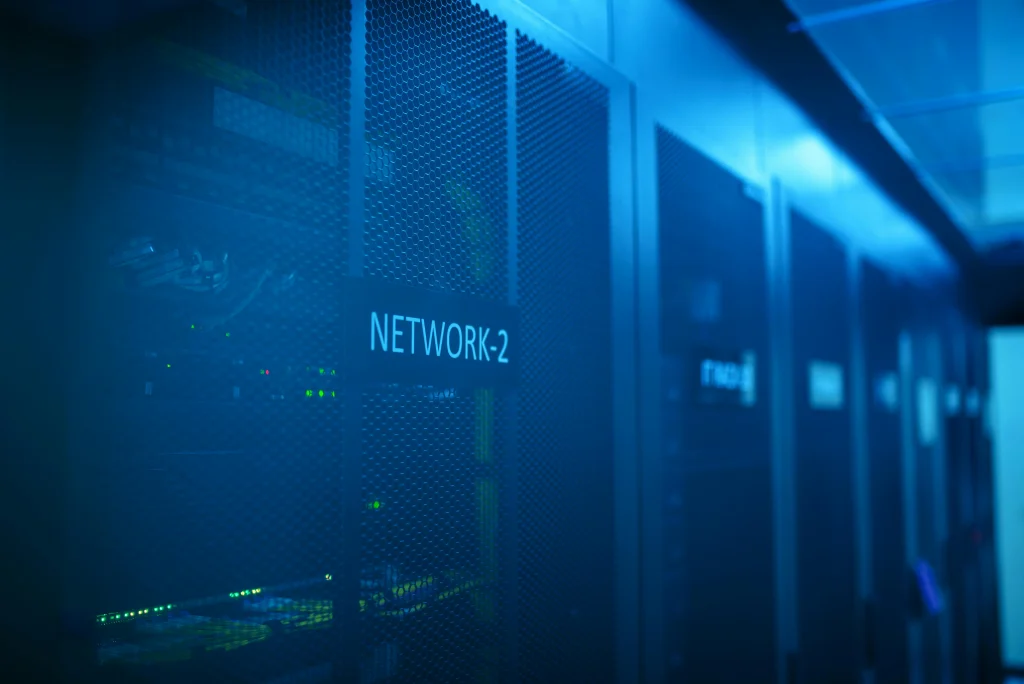
UPS and generators solve different problems
UPS systems and generators are often discussed as alternatives, but they are not interchangeable. A UPS provides immediate, no break power at the point of interruption. A generator provides longer duration support once it has started, stabilised, and accepted load.
That timing difference matters. Most critical digital systems cannot tolerate the transfer gap while a generator sequence completes. Without UPS protection, servers, network switches, controls, and storage can still drop before backup generation is online.
The strongest resilience model uses both technologies in coordinated layers. UPS protects continuity in the first seconds and minutes. Generator capacity then extends runtime for prolonged outages and protects wider building load.
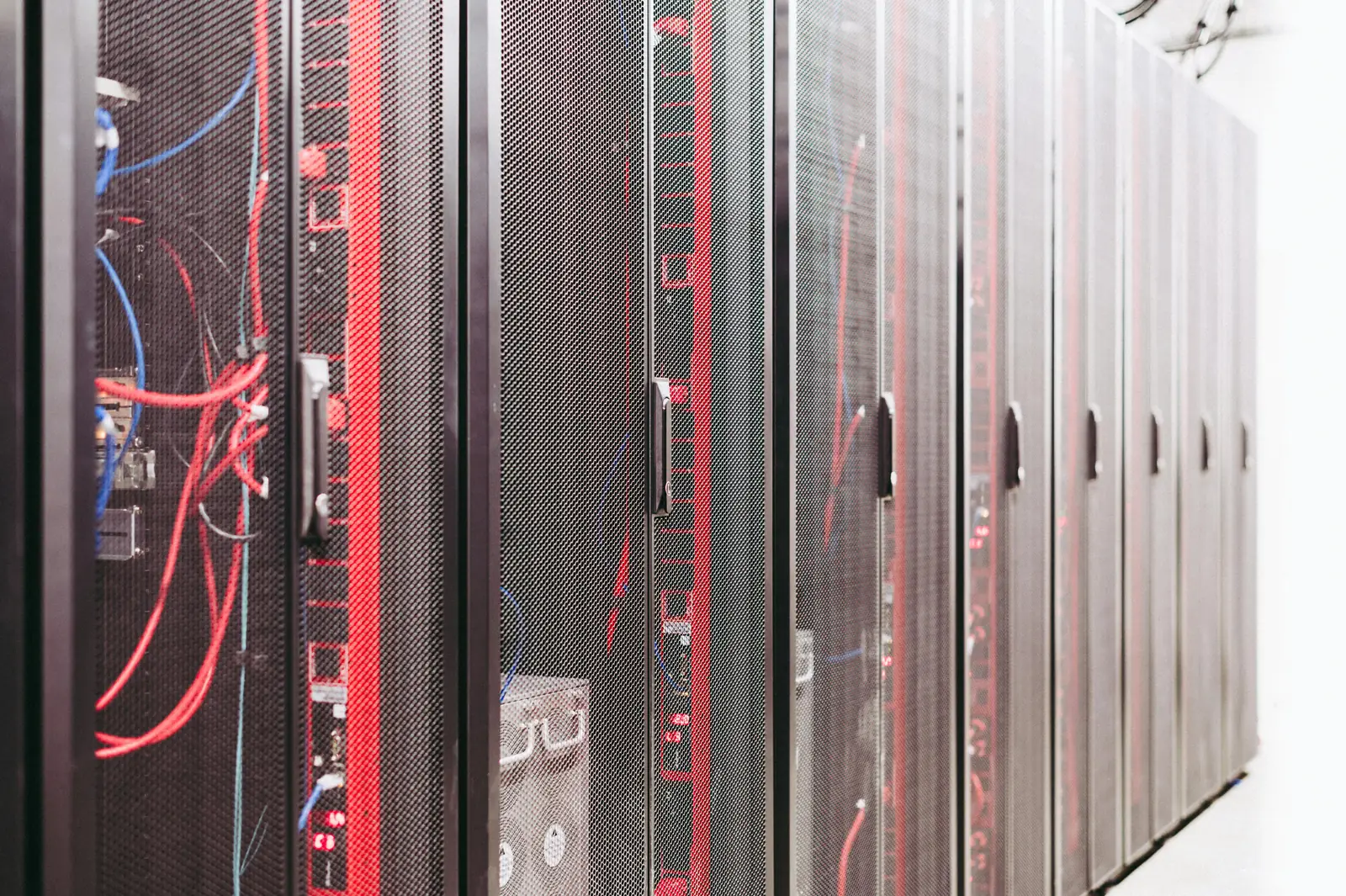
Key differences to understand
Each technology has a distinct role in an outage sequence.
- UPS transfer behaviour depends on topology and operating mode. Online double-conversion systems have no transfer delay to battery in double-conversion mode; standby and line-interactive systems have a short switching interval. A generator needs time to start and transfer the load. See Eaton’s guide to UPS topologies.
- UPS delivers conditioned power, generators can need stabilisation under varying load.
- UPS protects sensitive electronics, generators support broader site demand over time.
- UPS runtime depends on battery capacity, generators depend on fuel and maintenance regime.
- UPS testing is frequent and controlled, generator testing requires load management discipline.
- Combined systems support both continuity and endurance when designed correctly.
How to decide what your site needs
Start with business tolerance for interruption. If core systems must stay online without any break, a UPS is mandatory. Then evaluate outage duration risk. If your site must continue through extended utility loss, generator integration becomes essential.
Next, map load classes. Mission critical loads may require online UPS with redundancy, while non critical loads can transfer directly to generator circuits. This layered approach optimises budget and avoids over engineering low priority areas.
Finally, validate coordination across UPS, ATS, generator controls, and distribution boards. Many failures are integration failures, not equipment failures. Commissioning and periodic testing are where reliability is proven.
Reliability comes from sequence control, not hardware alone
A high quality UPS can still fail to protect service if transfer timing, bypass strategy, and generator handover logic are not aligned. Resilience is a system behaviour created by engineering design, commissioning discipline, and ongoing testing.
When these elements are coordinated, outage response becomes predictable instead of reactive.
Typical architecture by environment
Office and mixed use buildings
UPS coverage for comms and core IT, with generator support for extended operation and essential building systems.
Healthcare and clinical support areas
No break UPS design for critical pathways, supported by generator capacity with validated transfer and autonomy planning.
Industrial and process sites
Segmented load strategy separating control and safety systems from bulk power demand to protect process continuity.
Need a clear UPS and generator strategy for your site
Our engineers can review your current topology, transfer sequence, and runtime assumptions to identify where risk remains. You get practical recommendations that match your infrastructure and operational priorities.
Speak to us if you want a resilient design that performs correctly when a real outage happens.
We also provide integration guidance for monitoring, bypass strategy, and maintenance planning so resilience improves over the full system lifecycle, not only on installation day.
Request a Quote