
Installation quality determines whether a UPS protects when needed
Many UPS projects pass handover yet still carry avoidable risk because key installation details were treated as secondary. Common issues include poor cable routing, unvalidated bypass paths, inadequate ventilation around battery systems, and unclear labelling at distribution level.
These problems often stay hidden until a live event or maintenance intervention. At that point, response time is lost while teams identify circuits, verify switching steps, and troubleshoot behaviour that should have been addressed during commissioning.
Good installation practice is about operational clarity. Engineers, facilities teams, and IT stakeholders should all understand what is protected, how long it is protected, and what actions are required during an incident.
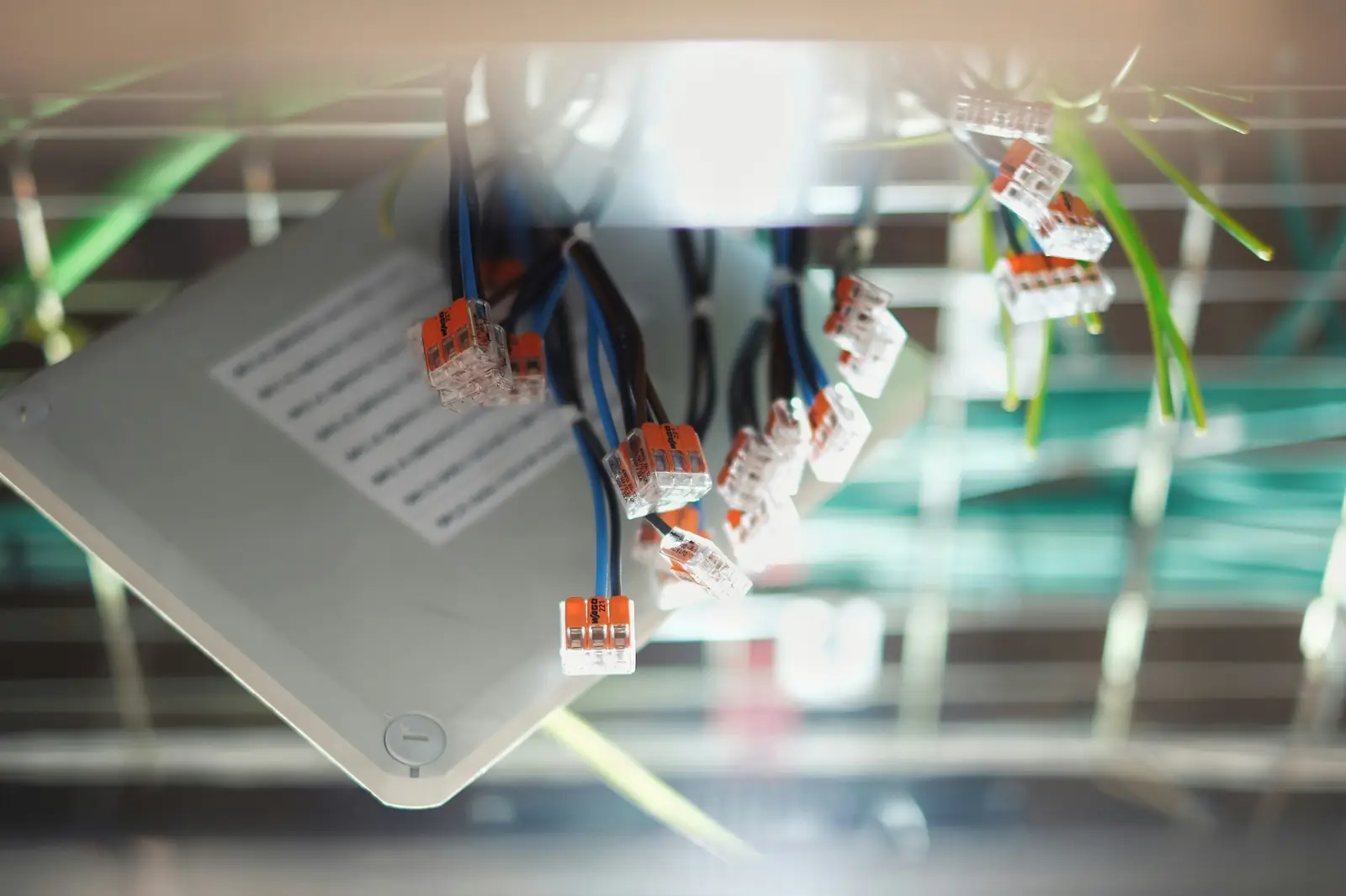
Frequent installation mistakes and how to avoid them
Most project risk can be reduced with better planning and commissioning discipline.
- No verified single line diagram showing UPS, bypass, and critical load paths.
- Battery autonomy assumed from brochure data instead of site tested conditions.
- Insufficient thermal planning for battery rooms and enclosed plant areas.
- Generator transfer timing not validated against UPS runtime assumptions.
- Inadequate labelling and switching documentation for operations teams.
- No structured acceptance testing under representative load conditions.
- Maintenance access blocked by layout choices made for installation convenience.

Commissioning is the stage that proves reliability
Commissioning should confirm real behaviour, not only equipment presence. That includes battery discharge testing, alarm verification, bypass operation, transfer sequencing, and monitoring visibility. Each result should be recorded against acceptance criteria agreed before installation started.
Operator training is equally important. If on site teams are not confident with alarm response and escalation pathways, technical resilience is weakened by process risk. A concise runbook and clear switching procedures should be part of every handover package.
When commissioning is thorough, faults are discovered in a controlled environment rather than during a live outage. That is a major reduction in operational risk.
Most UPS failures during incidents are implementation failures
Equipment quality matters, but installation detail and commissioning depth usually determine real world performance. If load mapping, bypass logic, and recovery procedures are unclear, even premium hardware can fail to protect service when pressure is highest.
Reliable outcomes come from engineering discipline at every stage of delivery. This includes documentation, operator readiness, and repeatable test evidence after commissioning.
Where disciplined installation creates immediate value
Reduced commissioning delays
Clear scope, documented dependencies, and staged testing avoid last minute rework and project overruns.
Safer maintenance windows
Accessible layout and validated bypass procedures let teams service systems without unnecessary exposure to downtime.
Faster incident response
Accurate labelling and practical runbooks shorten decision time when alarms occur under live operational pressure.
Planning a UPS installation or replacement project
We can support design review, delivery planning, and full commissioning so your system is proven before it is relied upon. Our focus is operational reliability, not only project completion.
If you want a clean handover and fewer surprises during live events, speak with our engineering team.
We can also review existing installations and identify quick wins that improve resilience without forcing unnecessary replacement of healthy equipment.
Request a Quote